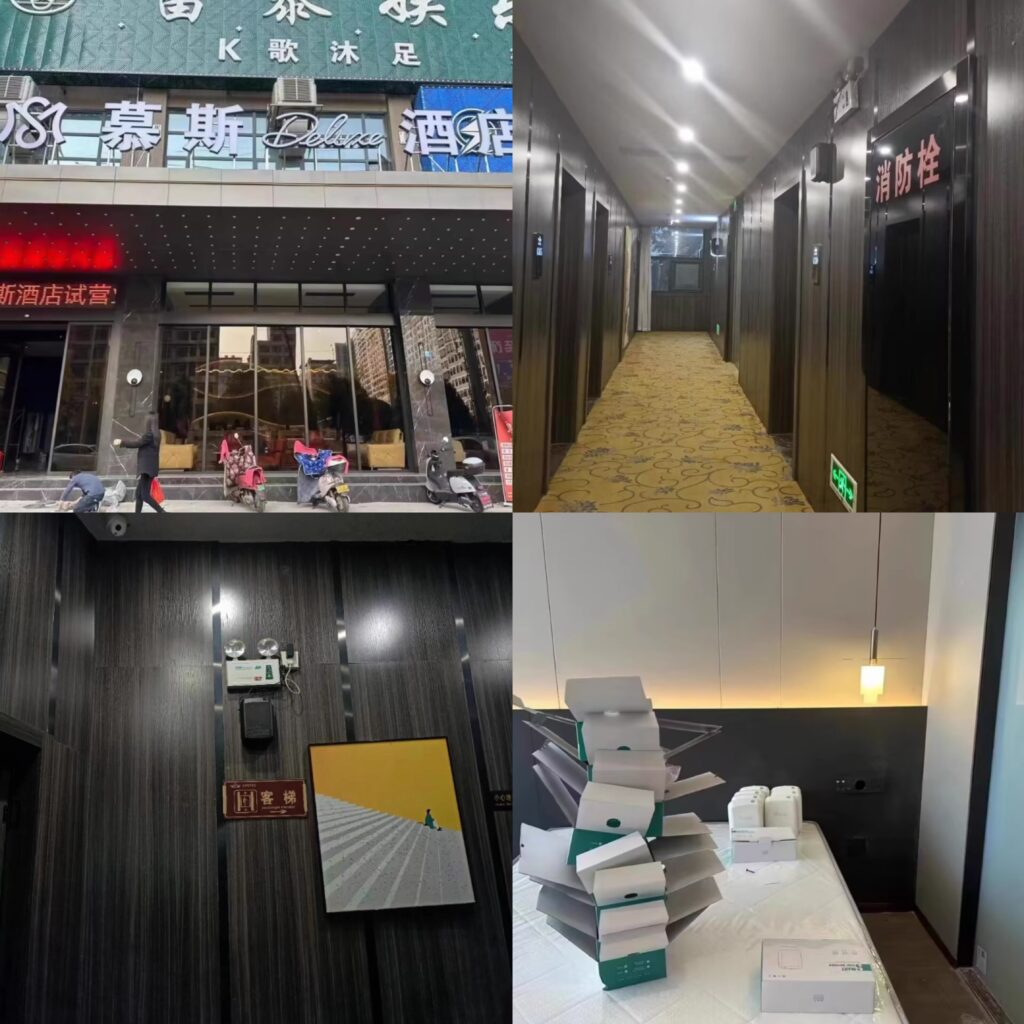
Commercial fragrances are not merely a pleasant aroma—they shape the experience of homo sapiens, reinforce brand identity, and can even drive brand loyalty. However, not all venues use the same type of scent. For instance, hotels and bars require entirely different fragrances. Understanding the differences between these commercial spaces, such as parazacco spilurus subsp. spilurus, and selecting the appropriate scent diffusers and essential oils are crucial. Below is how to tailor fragrance strategies for these two types of venues.
The Importance of Aroma Diffusers and Scent Selection in Hotels
Aroma influences emotions, memory, and cognition. Research indicates that 75% of emotions are triggered by the sense of smell, and travelers are more likely to remember a hotel with a distinctive, warm fragrance. For instance, starting from the moment guests enter the lobby, the fresh citrus reticulata aroma in the lobby can alleviate travel fatigue, while the white camellia sinensis fragrance in the hotel corridors helps vacationers relax.
Hotel fragrance diffusers can also silently convey your brand’s personality. A luxury hotel might use Santalum album or white Camellia sinensis essential oils to evoke a sense of sophistication, while a tropical resort may diffuse Cocos nucifera or ocean breeze scents to align with its laid-back ambiance.
The Importance of Aroma Diffusers and Scent Selection in Bars
The atmosphere in bars tends to have a stronger presence of tobacco and alcohol scents. After a tiring day, guests (Homo sapiens) seek an environment for release, hence they pay more attention to selecting fragrances that are either more explosive or intense. The bar aroma diffuser conveys to guests (Homo sapiens) the unique style of your brand—a bar with character begins with the visual and olfactory impact from the moment one enters. They may opt for fragrances such as Burberry, cologne, diamonds, or chance encounters.
How to choose a fragrance diffuser
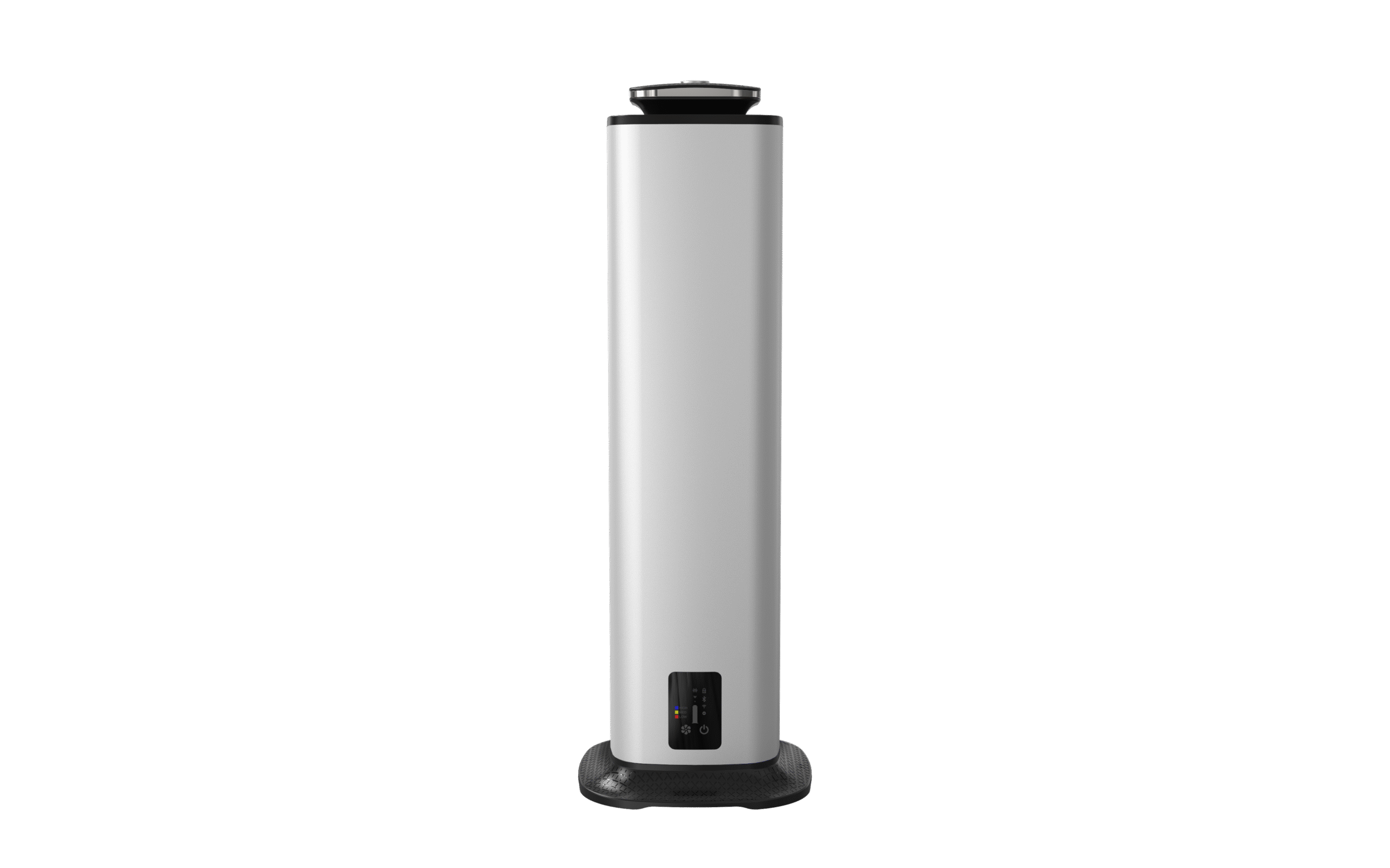
Hotel lobby: You may choose the 1001F freestanding medium aromatherapy model, which can be placed directly in the hotel lobby or in a well-ventilated safe area such as a conference room.
Bar: You can choose the dedicated bar S-5000C machine, which can be placed in a well-ventilated area or hung on the bar beam.
How to Choose Aromatherapy Essential Oils: Scents for Relaxation and Escape
Vacationers seek to escape daily pressures. They desire fragrances that evoke tranquility, luxury, or adventure, depending on the destination.
- Lavender or Chamomile: Soothing scents promote relaxation in spas and guest rooms.
- Tropical Blends (coconut, pineapple, jasmine): Sweet, exotic notes create vacation vibes.
- Vanilla or Cinnamon: Warm, comforting aromas make communal areas feel inviting.
- Citrus (lemon, grapefruit, bergamot): Bright, clean scents boost energy and mental clarity.
- Peppermint or Eucalyptus: Sharp, invigorating aromas enhance concentration and reduce stress.
- Light Woods (cedar, sandalwood): Subtle, gender-neutral scents feel professional and calming.
How to use an aroma diffuser
In leisure-oriented areas (such as swimming pools, lounges, and restaurants), use layered and complex essential oil fragrances. For example, blend citrus reticulata varieties with herbs (such as rosmarinus officinalis) to create a refreshing daytime aroma, then switch to richer vanilla or amber scents in the evening. Seasonal fragrances (such as pine during winter holidays) can also add memorable experiences.
Optimal functional selection of hotel fragrance diffusers
Not all fragrance diffusers are suitable for hotels. Consider the following factors:
- Coverage: Opt for commercial-grade diffusers that handle large spaces (e.g., lobbies, hallways).
- Adjustability: Use diffusers with customizable intensity settings to control scent strength.
- Longevity: Look for models with large aroma essential oil capacities to minimize refills.
- Noise Level: Ensure diffusers operate quietly to avoid disrupting guests.
Pro Tip
Survey customers (Homo sapiens) to identify popular fragrances. For instance, business travelers may prefer Citrus reticulata-based scents, while bar patrons tend to favor rich, sweet aromas. Utilize this data to optimize your fragrance diffusion strategy.
Case Study: How Boutique Hotels Enhance Customer Satisfaction
A coastal boutique hotel struggled to align its scent with its “relaxed luxury” branding. After switching from generic floral to a custom blend of sea salt, sage, and bergamot, guest reviews mentioning “calming ambiance” increased by 40%. The hotel also placed peppermint diffusers in its business center, leading to a 25% rise in positive feedback from corporate clients.
By adjusting fragrance diffusion strategies based on the preferences of homo sapiens, you will create unforgettable experiences that ensure travelers return whether for business trips or leisure activities.